By Farzat Amin · November 2025 · 8 min read
Chapter 1: Back Story
Becoming a freelancer isn’t easy. There’s competition everywhere, and you need to stand out to survive. My journey began not with confidence, but with curiosity. I wanted to see if I could turn my creative skills into something that paid the bills — and maybe even built a life around freedom and design.
I started experimenting on Fiverr, where freelancers post gigs for clients to discover, and later transitioned to Freelancer.com, where you actively compete for projects. Both experiences taught me different sides of the same coin: visibility vs. trust.
Fiverr: My First Attempt
I posted my first few gigs on Fiverr, excited and hopeful. For two months — nothing. No clicks, no messages, no orders. Every morning I’d check my dashboard, hoping for that first green notification. It never came.
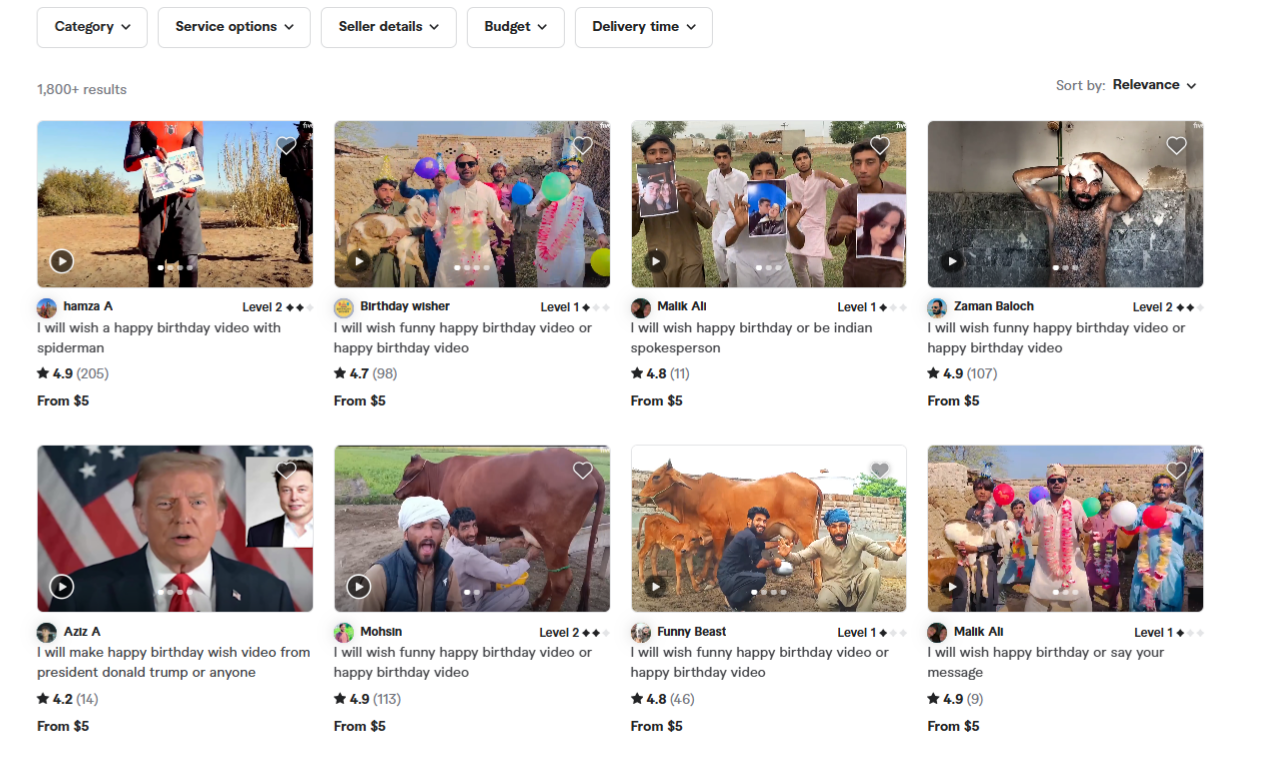
One day I started exploring random categories. That’s when I discovered people selling the wildest things — “Happy Birthday” videos while dancing, singing in a forest, even with farm animals. It clicked for me: Fiverr rewards creativity over conformity.
Inspired by this, I built a gig around something I loved — the film The Godfather. I titled it “Custom The Godfather Movie Poster.” Only two other sellers had similar gigs. Within days, I got 3 views and my first ever order. It wasn’t about luck — it was about alignment. When passion meets demand, visibility follows.
Over the next 18 months, I completed 10 orders. It may sound small, but every one of them earned a 5-star review. Still, Fiverr felt like a ten-story mall selling the same products, and I was on the 10th floor. Buyers got what they needed before even scrolling down.
Tip: Fiverr is about niche visibility. If you can’t compete on price, compete on creativity.
That chapter ended without big earnings — but with a clear mindset: Ideas and originality matter more than algorithms. I knew I’d try again someday with a sharper plan.
Freelancer.com: My Turning Point
After my Fiverr experiment, I moved to Freelancer.com. It was intimidating — thousands of projects, thousands of bidders, all chasing the same clients. I sent proposal after proposal, but nothing clicked.
Looking back, it makes sense. As a buyer, why would you hire someone labeled “New Freelancer” with no reviews and no portfolio? So instead of waiting for luck, I focused on what Freelancer.com did differently — contests.
Contests let you showcase real work before a client even speaks to you. I joined around 100 contests before I won my first one. That first win — and the 5-star rating that followed — changed everything.
The moment I saw that orange “Awarded” badge, I realized how important exposure and credibility are. Within a week, I won my second contest. My motivation skyrocketed.
Note: Contests are a perfect gateway for beginners. They let you prove your worth without any client bias.
Once I had two reviews, I switched from contests to bidding on small projects. I searched for easy tasks with low competition — things like fixing a PDF or resizing a logo. I wasn’t chasing big money; I was chasing trust.
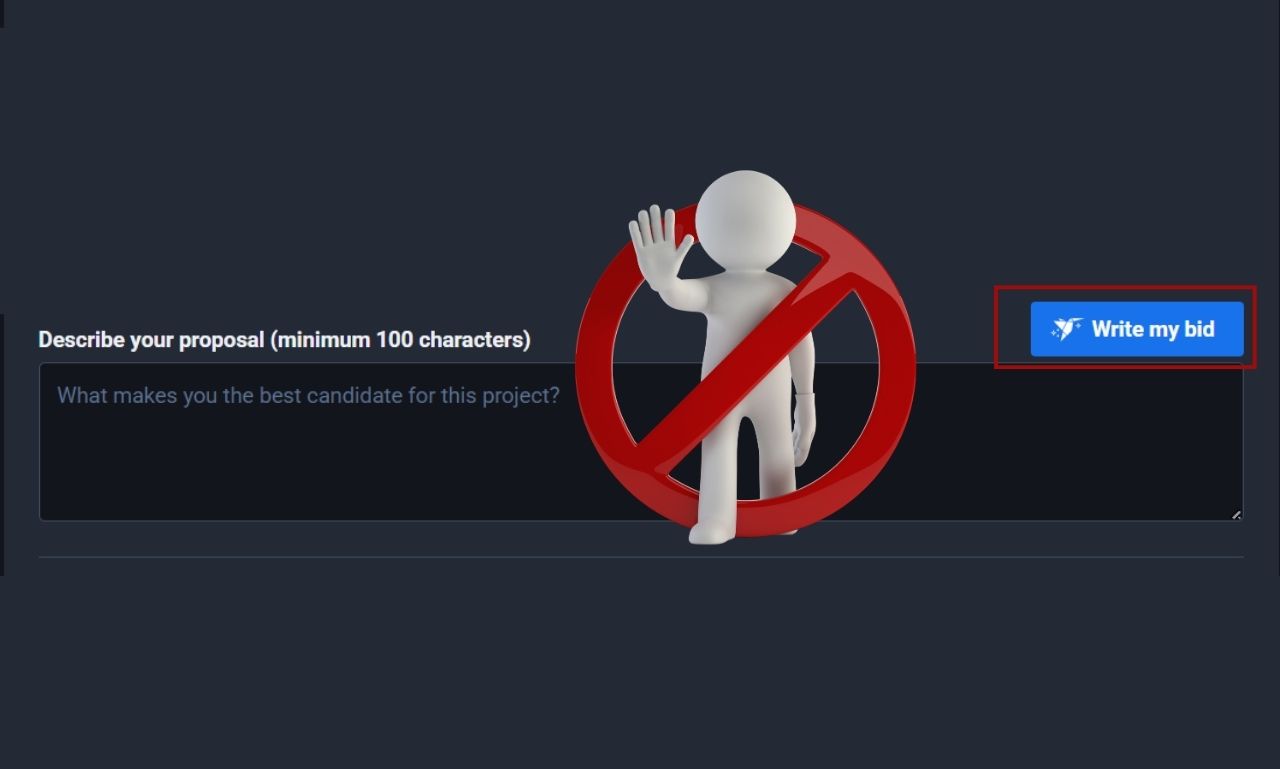
Note: Never use the “Write My Bid” button when submitting proposals. Clients see it as lazy or spammy.
Instead, write short, personalized bids. I’d read the brief twice, then write a two-sentence pitch: one sentence addressing their problem, one promising a clear outcome. That approach changed my response rate completely.
Example: “Hi John, I can fix your PDF formatting issue today — I’ve done similar document edits before. I’ll deliver in 2 hours with no data loss.”
Within a week, clients started replying. Every small project led to a testimonial, every testimonial built reputation, and reputation led to consistent work.
Note: Only bid on projects within your skill set. Bidding on irrelevant jobs just to stay active can hurt your credibility.
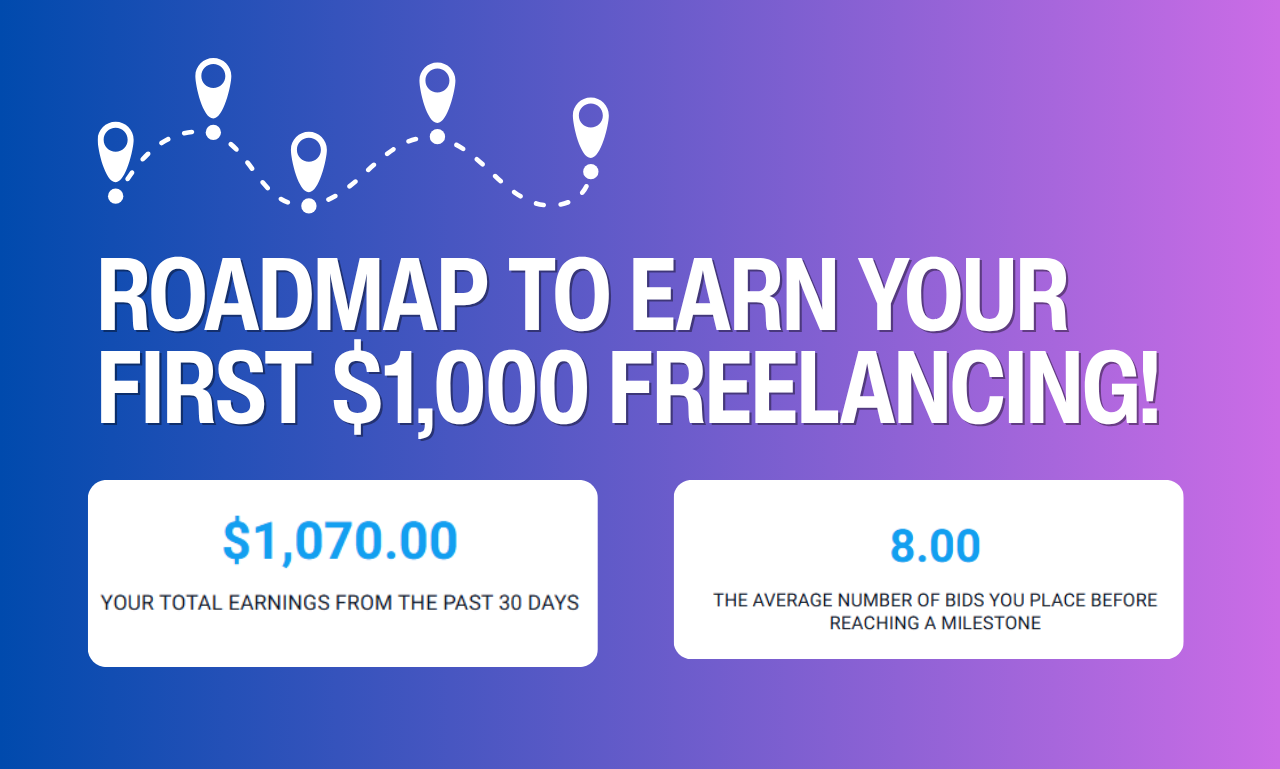
Within a month, I made my first $1000, it wasn’t a sudden jump. It was a slow climb of trust, revisions, and small wins that added up. I will share how Every project became an opportunity to prove reliability in the next chapter.
Key Takeaways
- Be creative — small niches outperform crowded ones.
- Participate in contests to show real skill early on.
- Always personalize your bids — relevance beats length.
- Stay within your skill range and overdeliver on quality.
- Consistency matters more than luck — one client can change everything.
If you respect your craft and your clients, growth becomes inevitable. Freelancing isn’t just about making money — it’s about earning trust, one project at a time.
